3 min read 0

Radiographic Interpretation: ‘hydraulic’ appearance

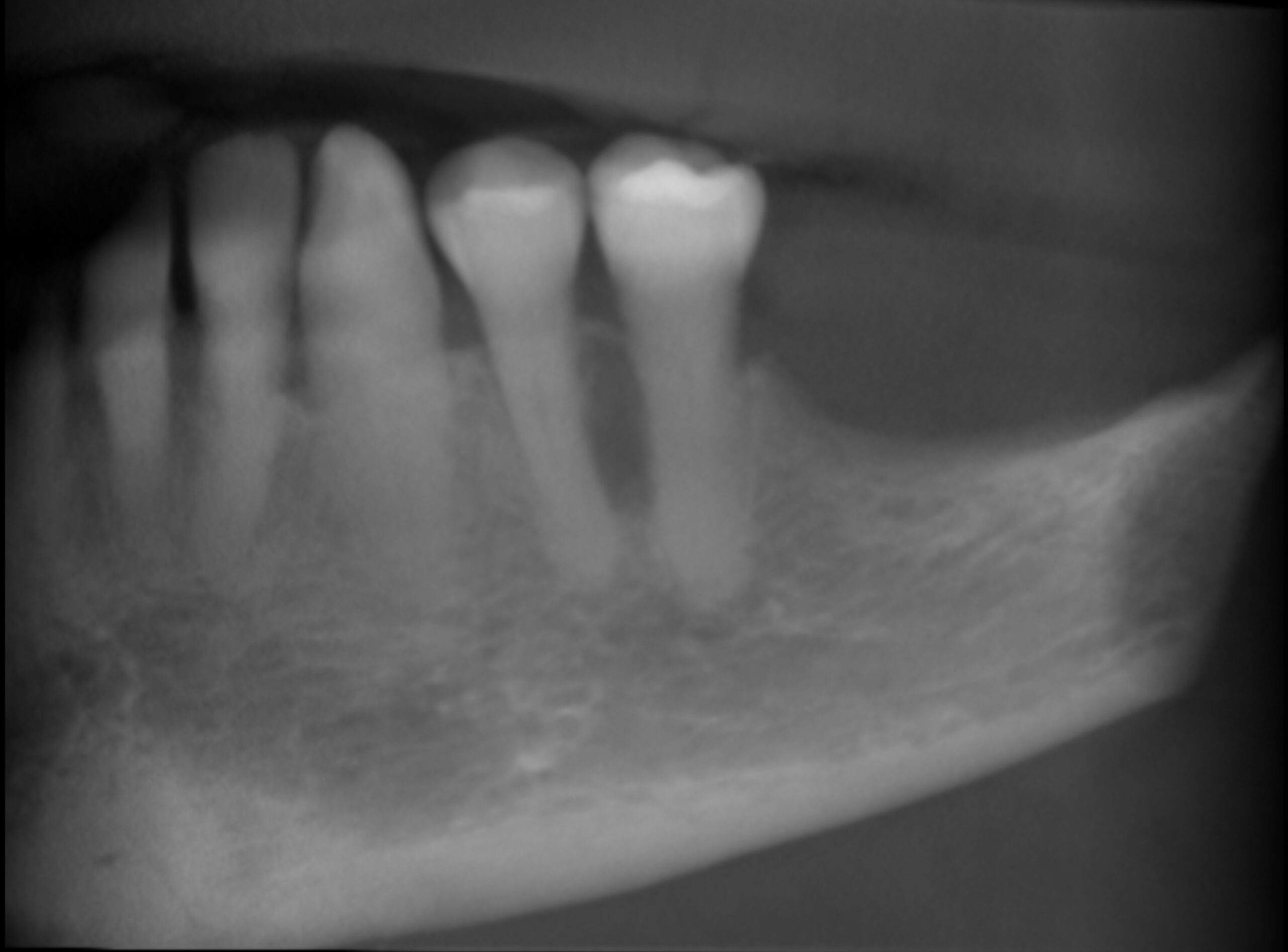
Why Do Cysts Look “Hydraulic” on Imaging? The term “hydraulic” gets used a lot to describe the radiographic behavior of jaw cysts — the smooth, balloon-like expansion, cortical thinning, root displacement, and scalloped margins that make them look like fluid is simply pressing outward from the inside. That’s because it…
2 min read 0

Case of the Week: Focal Cemento-osseous Dysplasia

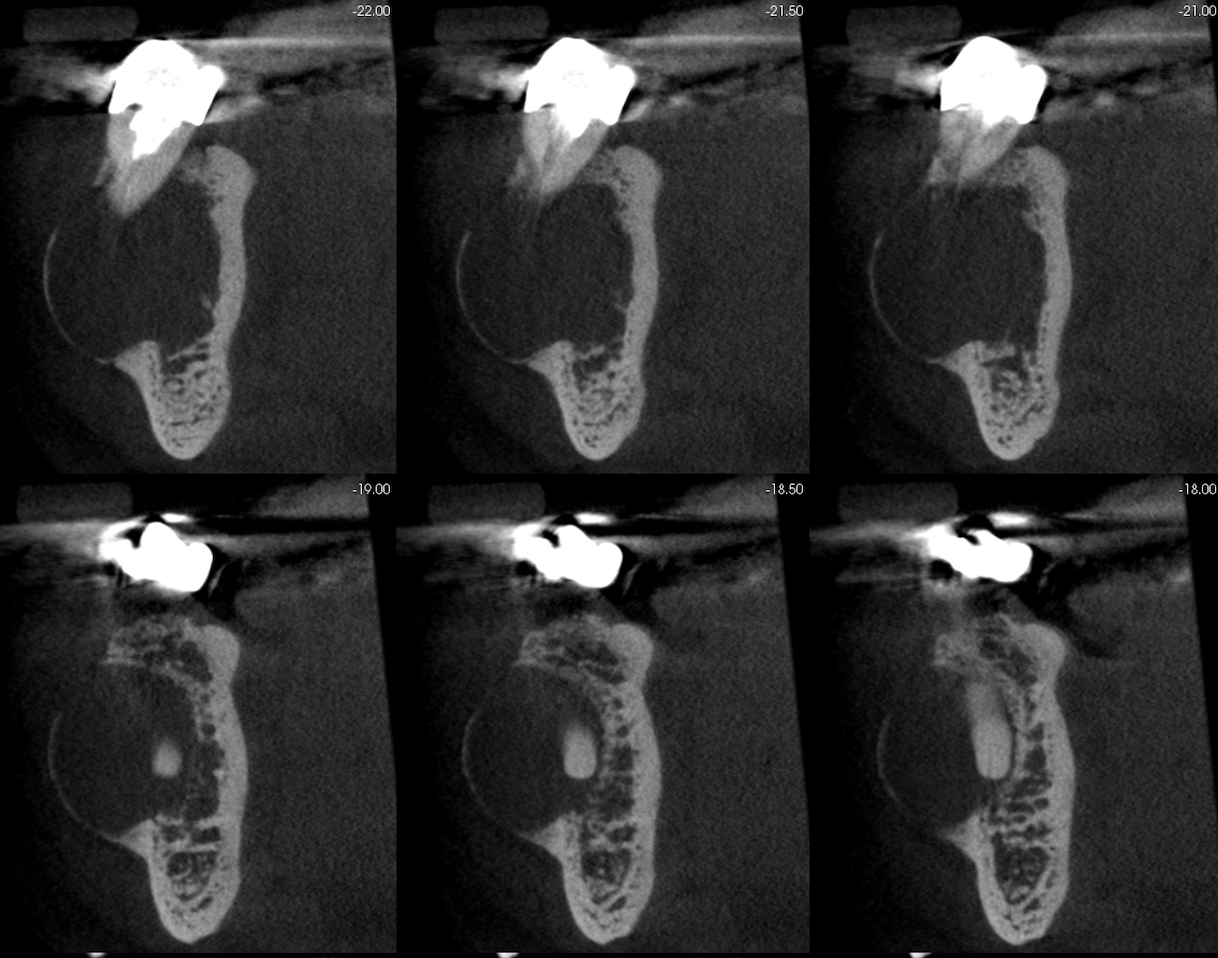
This week’s case is a great example of a focal cemento-osseous dysplasia. Cemento-osseous dysplasia (COD) is a benign, reactive fibro-osseous lesion of the jaws. It goes through three stages of maturation, each with a distinct radiographic appearance. This case is from a cone beam CT, which really shows off the…
1 min read 0

Case of the Week: Sialolith with layers (CBCT)

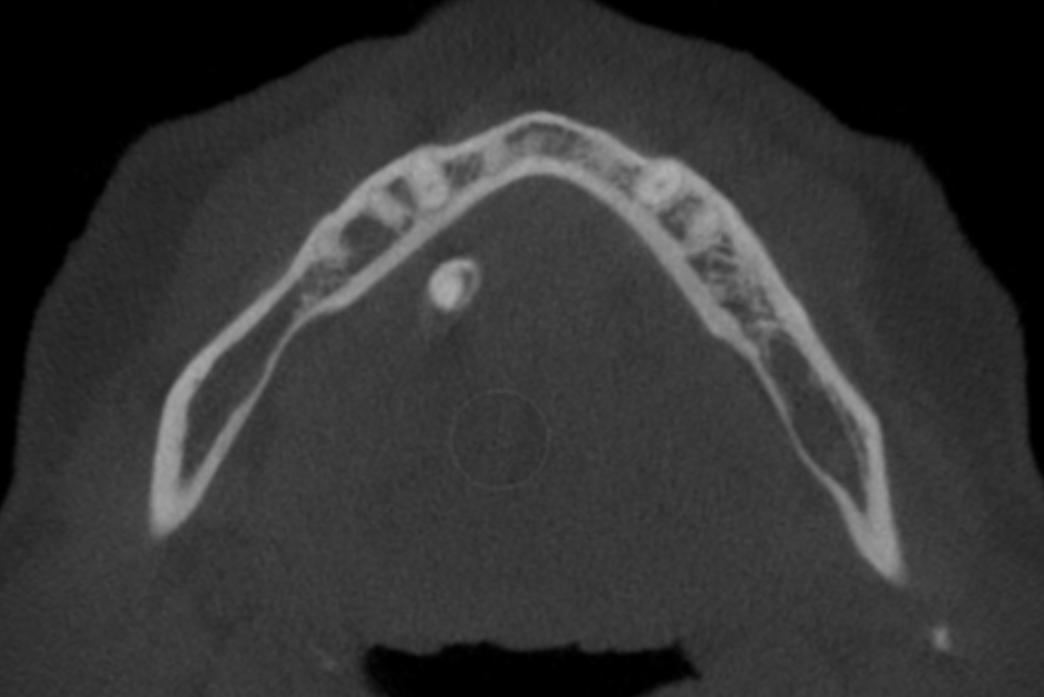
This week I have a case of a sialolith on CBCT (still images and videos) showing the layers of calcifications as it grows. First some information on sialoliths. QUICK DEFINITION: Sialoliths are calcifications within the ducts of the salivary glands. Most commonly associated with the submandibular salivary gland in the…
1 min read 0

Case of the Week: Taurodontism on CBCT

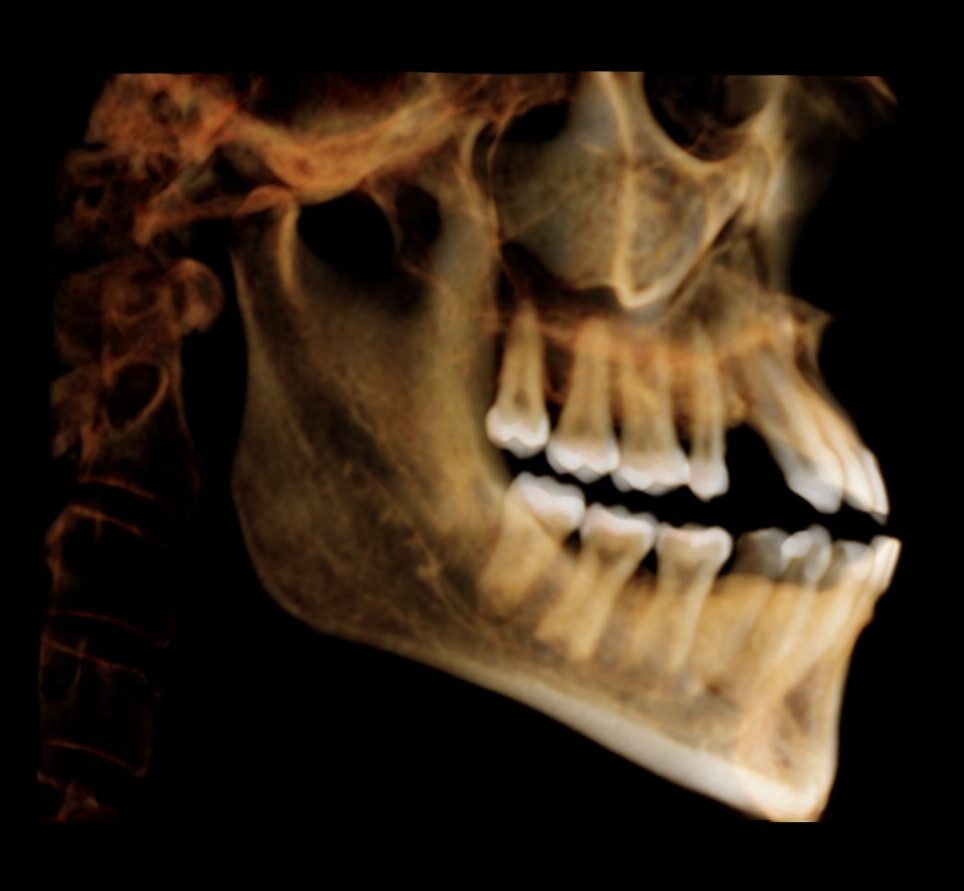
This fun case of taurodontism involves all the maxillary and mandibular molars. This tooth anomaly is not one that I come across often so when I saw this awesome example I just had to share. Taurodontism refresher = elongated body/pulp chamber with shortened roots and lack of constriction of the…